
The tax benefits exist. Employee awareness doesn't. Here's why India's salaried workforce misses out on potential tax savings, and what employers can do to change that.

India's income tax framework offers several benefits to salaried employees through allowances, exemptions and deductions.
When structured and utilised correctly, these benefits can help employees reduce their tax liability by 20–30% compared to a fully taxable salary structure with the same CTC.
These aren't loopholes. They're provisions designed to help employees save tax on legitimate work-related expenses.
Yet, a large number of employees fail to make the most of them.
The problem isn't that employees don't want to save tax. It's that accessing these benefits is often complicated, time-consuming and confusing.
There are five major reasons why employees in India don't fully utilise the tax benefits available to them.
Most employees don't have a clear understanding of which components of their CTC are tax-exempt, how much they can save, or what conditions they need to meet.
Employers don't always communicate these benefits effectively, and getting the right information often requires expert guidance.
As a result, employees miss out on savings they could have easily accessed.
Claiming tax benefits often involves submitting bills, receipts and invoices.
Employees need to collect these documents, organise them and submit them within deadlines set by their employers.
For someone already managing a demanding job and personal commitments, this process can feel like more effort than it's worth.
And when the process becomes difficult, utilisation naturally drops.
For most employees, tax planning becomes a priority only towards the end of the financial year.
The usual rush to submit investment proofs and expense claims happens in Q3 or Q4, when many opportunities to optimise the year's tax position have already passed.
Instead of planning throughout the year, employees are left scrambling at the last minute.
What they need is a system that helps them track and optimise their tax savings in real time.
Every employee has different spending habits, financial priorities and lifestyle needs.
Someone may spend more on travel, while another may have higher expenses related to technology or other eligible categories.
Yet, traditional employee benefit structures often offer the same allowances and limits to everyone.
Without personalisation, employees struggle to make these benefits work for their individual needs.
Employees who have submitted expense claims only to wait weeks for reimbursement, or had claims rejected over minor documentation issues, often stop engaging with the benefits system.
When claiming a benefit feels like a long process with an uncertain outcome, employees naturally lose interest.
Over time, this creates a trust gap between the benefits an employer offers and the value employees actually receive.
Let's take the example of an employee earning ₹12 LPA.
Under an eligible and appropriately structured salary arrangement, underutilised allowances and benefits could mean missing out on ₹30,000–₹50,000 in potential tax savings every year.
Over five years, that's ₹1.5–2.5 lakh that could have stayed in the employee's pocket.
The impact isn't limited to employees.
For employers, it creates a gap between the compensation they offer and the value employees actually receive.
The cost of these benefits is already factored into the CTC. But if employees don't use them, the intended value never reaches them.
In other words, employers are investing in benefits that aren't delivering their full potential.
The answer isn't simply more financial literacy sessions or longer benefit guides.
Employees need a system that makes understanding, accessing and using their benefits easy.
This is where intelligent benefits infrastructure can make a difference.
SalarySe's Flexi Benefits platform is designed to address these challenges:
The idea is simple: employees shouldn't have to work hard to access the benefits their employers already offer.
Closing the tax savings gap isn't just the employee's responsibility. Employers have an equally important role to play.
Offering benefits is only the first step. Making sure employees understand, access and actually use them is what creates real value.
Organisations that invest in better benefits infrastructure do more than help employees save tax. They make their compensation packages more meaningful without necessarily increasing their overall CTC.
Because at the end of the day, employees don't just care about the CTC mentioned in their offer letter. They care about how much value they actually take home.
And that's where better employee benefits can make all the difference.

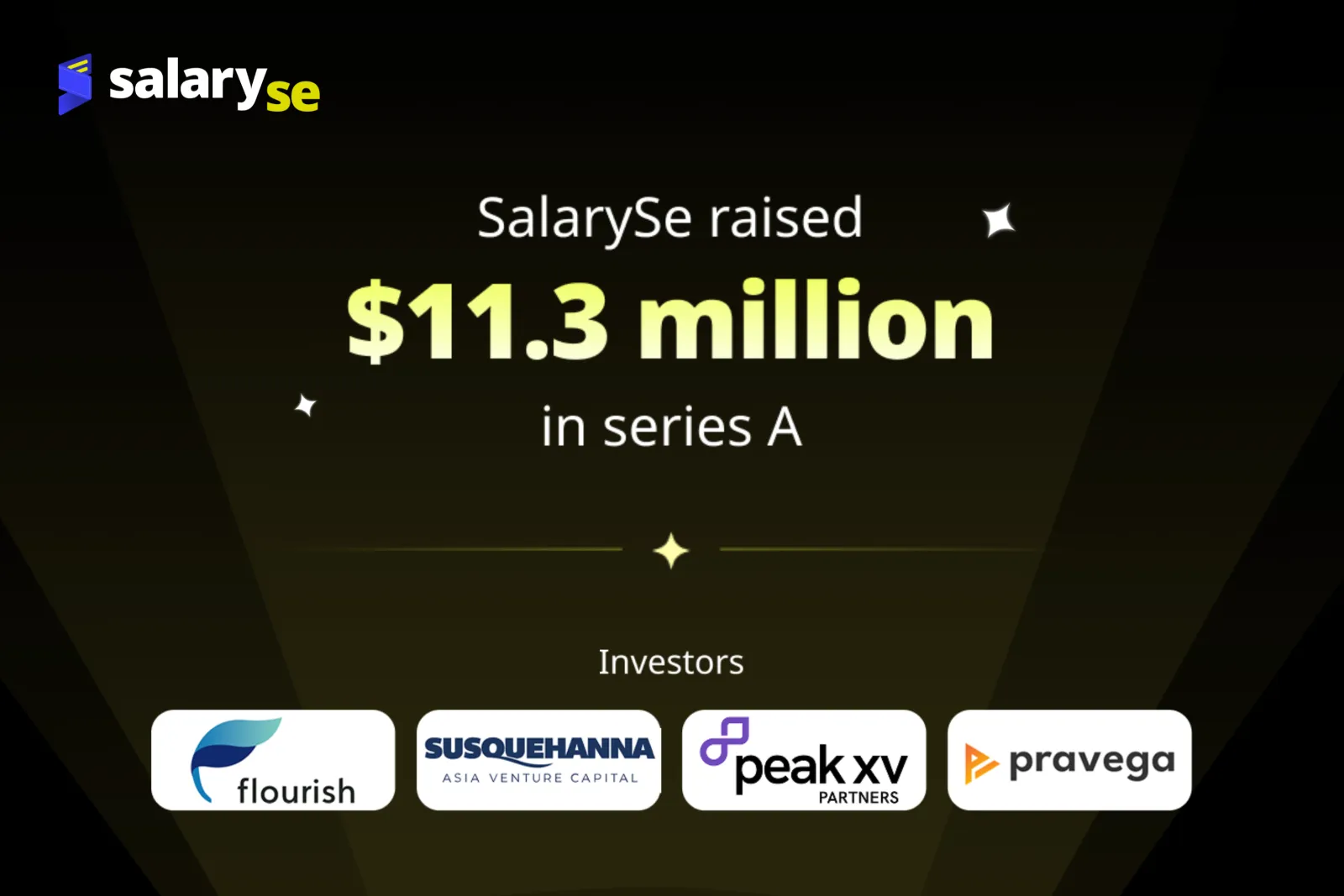
SalarySe raises $11.3M led by Flourish Ventures and SIG, with Peak XV and Pravega, to expand credit access for India's salaried workforce.
The tax benefits exist. Employee awareness doesn't. Here's why India's salaried workforce misses out on potential tax savings, and what employers can do to change that.
Compare salary advance apps in India: loan amounts, interest rates, approval times, RBI-regulated options, and eligibility criteria for salaried employees.