
Most people focus on the card, but the real money is in how you spend. By routing everyday payments through a RuPay credit card and timing them right, your regular expenses can start generating real cashback. LevelUP turns spending into earning, up to 37.5% on the days that matter most.
Most credit card advice sounds like this: "Pick the right card, and the rewards will follow."
It's not wrong. But it's incomplete.
Because the card is only one part of the equation. The other part, the part that actually determines how much cashback you earn every month,is how you use it. Which categories you pay through it. Which payment method you choose at checkout. And whether you're spending during the windows when your card is working hardest for you.
Most people get the first part right. They pick a decent RuPay card, maybe even one with a solid rewards programme. Then they use it for big purchases, swipe occasionally, and wonder why their monthly cashback never quite adds up to what the card promised.
The answer, almost always, comes down to category behaviour. So let's go through the three categories that make up the bulk of most people's discretionary spending,groceries, online shopping and quick commerce, and dining, and talk about what optimised usage actually looks like in practice.
Groceries sit at the intersection of high frequency and low individual transaction value. You're not making one big purchase, you're making dozens of small ones across the month. A supermarket run here, a quick Blinkit order there, a weekly vegetable and dairy top-up. Individually, none of these feel worth thinking about. Collectively, they add up to a meaningful slice of your monthly budget, often ₹4,000–8,000 or more for a household.
The typical behaviour: pay via UPI from your savings account, move on. Earn nothing.
The problem is structural. UPI is the most frictionless payment method in India, which is exactly why it became the default for small, everyday transactions. But frictionless doesn't mean rewarding. Unless your UPI payment is routed through a RuPay credit card, the transaction generates no cashback, no reward points, and no benefit beyond the convenience of the payment itself.
The optimised approach starts with a simple change: linking your RuPay credit card to your UPI app. When you do this, grocery payments that previously earned nothing start qualifying for your card's reward programme. But that's just the foundation. The next layer is offer stacking, combining your card's baseline cashback with platform-specific deals.
Most grocery and quick commerce apps run ongoing RuPay-specific offers. Blinkit, Zepto, BigBasket, and similar platforms periodically offer additional cashback or discounts for RuPay cardholders, over and above whatever the card itself offers. These offers aren't always prominently advertised, they tend to live in the bank offers section of the app's checkout page. Building the habit of checking that section before completing a grocery order takes about ten seconds and can mean the difference between earning 1% and earning 5–10% on a single transaction.
The compounding effect is real. If you're spending ₹6,000 a month on groceries and consistently earning even 3% back through a combination of card rewards and stacked offers, that's ₹180 a month, ₹2,160 a year, from a category you were previously earning zero on.
This is also where a product like LevelUP starts making an immediate difference. Because LevelUP enables your RuPay credit card to work across UPI transactions, those daily grocery runs, the ones most people have been paying from their savings account for years, start earning from day one. No change in where you shop or how often. Just a change in which payment method is doing the work.
If groceries are about consistency, online shopping is about timing and method, and the gap between what most people earn here and what's actually available is arguably the largest of any category.
Consider how much of your monthly spending now happens online. Amazon and Flipkart orders, Meesho purchases, Myntra hauls, Zepto and Swiggy Instamart top-ups, the occasional Nykaa or Ajio order. For most urban Indians under 35, online and quick commerce spending has quietly become one of the top two or three line items in their monthly budget, often ₹3,000–10,000 or more depending on the month.
Now consider how most of those transactions get paid: saved UPI IDs, stored debit cards, or net banking. Fast, habitual, and almost entirely unrewarded.
The first fix is the same as groceries, route these payments through your RuPay credit card, whether directly on the platform or via UPI. But online shopping has an additional layer of opportunity that groceries don't: bank offer programmes specifically designed for e-commerce spending.
During major sale events, Amazon's Great Indian Festival, Flipkart's Big Billion Days, Myntra's End of Reason Sale, banks and card networks run aggressive cashback programmes for specific card-network combinations. RuPay cardholders frequently get dedicated offer tiers during these events, sometimes 10% instant cashback up to a defined cap, sometimes bonus reward points that don't apply to other networks. These aren't marginal differences. On a ₹5,000 purchase during a sale event, a 10% RuPay-specific cashback means ₹500 back, on top of whatever the platform discount already was.
But here's where most people make the mistake: they do their research on which product to buy, find the best price, and then pay with whatever card is saved by default. The network-specific offer, which required using a RuPay card specifically, gets missed entirely. The solution requires a small habit shift, before any significant online purchase, spend sixty seconds checking your bank's offer page or the payment page's bank offer section. The offers are there. They just don't announce themselves.
Quick commerce deserves a specific mention because of its transaction frequency. Blinkit, Zepto, and Swiggy Instamart orders are small, ₹200–600 typically, but they happen multiple times a week for a lot of households. These are almost always paid via UPI, which means almost always earning nothing. This is precisely the behaviour pattern that LevelUP is built around. By making your RuPay credit card the default instrument behind your UPI payments, every quick commerce order, the late-night medicines, the weekend snack run, the forgotten grocery item, becomes a transaction that earns. The per-order cashback is modest, but across 12–15 quick commerce orders a month, it adds up to a category that was previously contributing nothing.
LevelUP also structures its highest reward windows around the 1st and last days of the month, salary days, when most people's largest planned purchases naturally cluster. If you've been holding off on a bigger Amazon order or a Myntra restock, placing it on or around salary day through your RuPay credit card means that purchase lands in the highest-earning window available. Up to 37.5% effective rewards on those days is the result of stacking card rewards, UPI integration, and timing alignment, not any single one of those things independently.
Dining is the category that most separates active reward earners from passive ones. The upside is significant, but it requires more attention than groceries or quick commerce, because dining offers are almost always time-limited and often brand-specific.
Here's the landscape: RuPay has merchant partnerships with a range of restaurant and food delivery platforms. Zomato and Swiggy run periodic RuPay-specific cashback offers. Offline dining chains, particularly those in organised retail formats, periodically offer card-linked discounts for specific bank-network combinations. And several banks run their own dining programmes with curated restaurant lists where RuPay cardholders get enhanced rewards.
The issue is discoverability. Unlike grocery cashback, which is relatively passive once your card is linked to UPI, dining offers require you to know they exist before you spend. A 20% cashback offer on Zomato for RuPay cardholders during a specific week only benefits you if you happen to use the right card during that week. Miss it by a few days, pay with the wrong method, or simply not know about it , and you've left real money on the table.
The practical strategy here involves two habits. First, check the offers section of your bank's credit card app or website at least once a month, specifically the dining and food delivery category. Most banks maintain a running list of active offers, and food delivery platforms are usually well-represented. Second, before opening Swiggy or Zomato, take thirty seconds to check if there's an active bank offer on the platform. It sounds tedious until you notice that you've just saved ₹150 on a meal you were going to order anyway.
For offline dining, restaurant-specific offers, like 15% off at a chain with a specific card, are usually valid for longer periods, sometimes a full quarter, which makes them easier to build into your regular habits once you know about them.
One often-overlooked angle: corporate lunch and dinner spends. If you're eating out for work-related meals and putting those through a personal card for reimbursement, optimising the card and method you use for those transactions can generate meaningful cashback that's essentially free, you're getting reimbursed for the spend anyway, so the rewards are pure upside.
This is also where LevelUP's offer alignment earns its place in the dining category specifically. Rather than manually tracking which Zomato or Swiggy offer is live this week, the platform is designed to surface and align those high-value windows with your natural spending behaviour, so you're not leaving dining cashback on the table simply because you didn't happen to check the offers page that day.
Putting it all together, here's what changed behaviour looks like across these three categories:
Groceries: RuPay credit card linked to UPI via LevelUP. Weekly grocery orders placed through apps with active bank offers checked at checkout. Small neighbourhood purchases routed through the same card via UPI scan-and-pay. Monthly cashback: ₹150–300, depending on spend volume and active offers.
Online Shopping & Quick Commerce: Major purchases timed around sale events where RuPay-specific offers are active. Quick commerce orders routed through RuPay credit card on UPI. Larger planned purchases placed on salary days to land in LevelUP's highest reward window. Monthly subscriptions shifted from debit to RuPay credit card. Monthly cashback: ₹200–600 for moderate online shoppers, significantly more during sale seasons.
Dining: Bank offers checked at the start of each month. Delivery app offers noted before ordering. Offline dining at partner restaurants prioritised when convenient. Monthly cashback: ₹100–400 for someone eating out 6–8 times a month.
Individually, none of these numbers is dramatic. Together, they represent a consistent, compounding return on spending you were already doing, with no increase in expenditure and no dramatic change in behaviour.
The gap between what most RuPay cardholders earn and what's actually available to them isn't a product gap. It's a behaviour gap.
The rewards are there. The category benefits are there. The UPI infrastructure is there. What's missing is the combination of consistent category discipline, awareness of offer windows, and a timing layer that brings all of it together without requiring you to manually manage every variable.
That's what the right setup delivers. RuPay provides the infrastructure to earn on UPI. LevelUP provides the optimisation layer that ensures those earnings are consistent, timed well, and stacked wherever possible. The result is a monthly cashback picture that looks very different from what most cardholders are used to, not because anything extraordinary happened, but because ordinary spending finally started working as hard as it should.

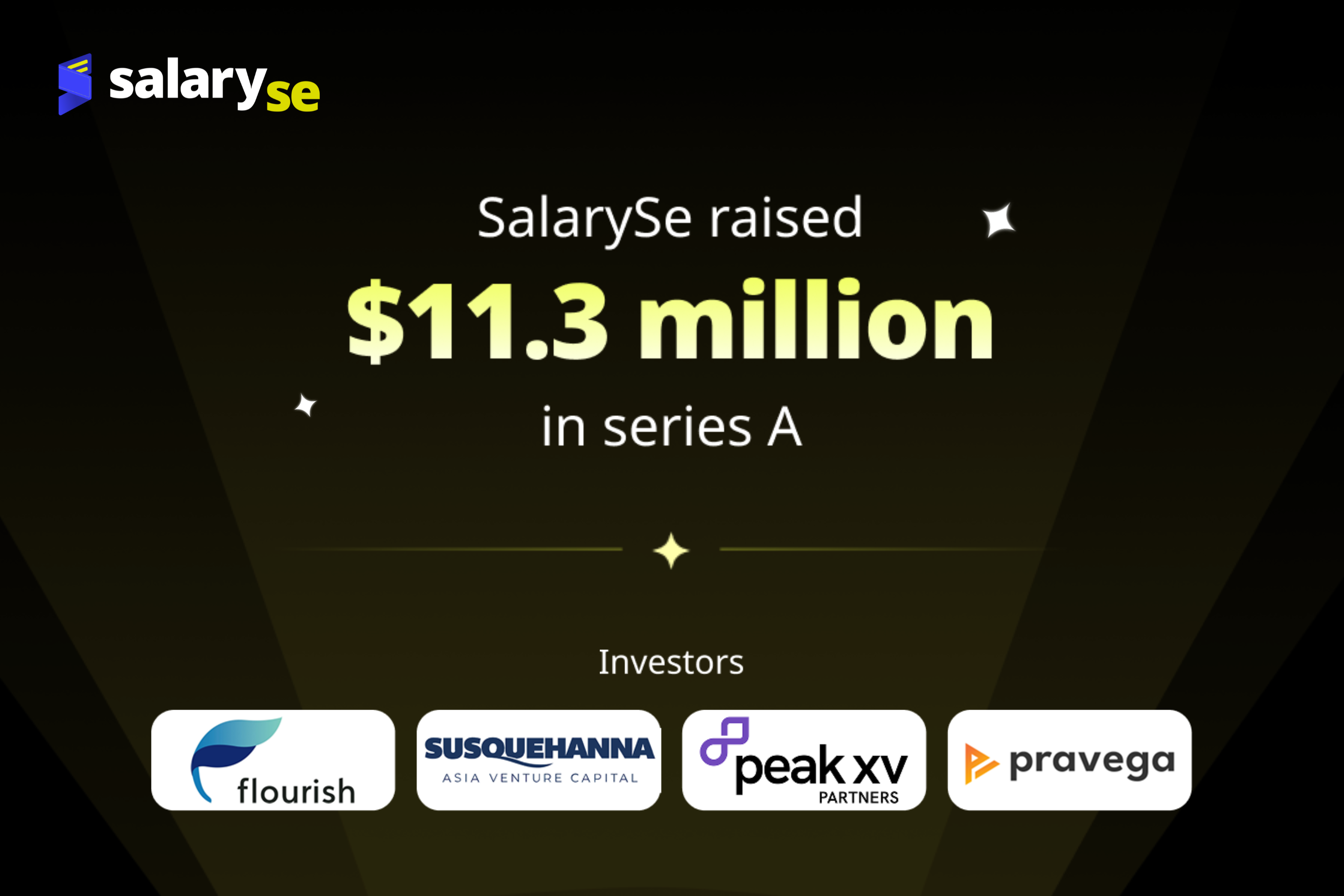
SalarySe raises $11.3M to redefine credit access for India’s workforce. Led by Flourish Ventures and SIG Venture Capital, with support from Peak XV Partners and Pravega Ventures, the funding will fuel AI-led innovation, enterprise expansion, and smarter financial solutions for salaried professionals.
Compare salary advance apps in India: loan amounts, interest rates, approval times, RBI-regulated options, and eligibility criteria for salaried employees.
Compare instant salary loans online: funding in 15 minutes to 2 seconds, loan amounts ₹5,000, ₹1 lakh, approval requirements, and interest rates across…