
This blog explores how mega sales manipulate spending habits through FOMO tactics, free shipping traps, BNPL schemes, and influencer discount codes. With smart shopping tips, it helps readers outsmart sales psychology and stay in control of their finances.

You're sitting at work, minding your own business, when a friend drops a link in your WhatsApp group: "Bro, gaming headphones at 70% off, go grab them!" You click. The sale is live. Timer ticking. Cart filling up. And before you know it, you’re celebrating a victory, not in a game, but in the art of ‘getting the best deal.’
Welcome to the world of sale psychology, where discounts are an illusion, urgency is a mind game, and your bank account often takes the biggest hit. Ever wondered why you end up buying more than you need during these mega sales? Let’s break it down.
Flash sales, countdown timers, and "Only 3 left!" messages are designed to trigger a fear of missing out (FOMO). Retailers know that if you feel like you might lose a deal, you’ll act impulsively. This is why Big Billion Sales, Amazon Great Indian Festivals, and Pay Day Deals are structured around limited-time discounts; they don’t want you to think, they want you to act.
Smart Shopper Tip: Next time you see a sale timer, pause. Would you have bought this item if there was no sale? If not, close the tab.
Ever added an extra item to your cart just to hit the ‘free shipping’ threshold? You’re not alone. Brands use this trick to increase your Average Order Value (AOV): you think you’re saving on shipping, but in reality, you just bought something you didn’t need.
Smart Shopper Tip: Compare the shipping cost to the extra item cost. If you wouldn’t have bought that extra item otherwise, it’s not a saving, it’s a trap.
With Buy Now, Pay Later (BNPL) options, your brain registers a lower upfront cost, making it easier to justify expensive purchases. The problem? These payments add up over time, and before you know it, your next month’s salary is already committed to past purchases.
Smart Shopper Tip: Use BNPL responsibly. If you have to break a purchase into multiple EMIs, ask yourself: can I afford this without an EMI? If the answer is no, you probably shouldn’t buy it.
Ever seen your favourite Influencer saying, "Use my code XYZ10 for an extra 10% off!"? Brands have weaponized influencer marketing, so when someone you trust shares a code, you feel like you’re getting a personalised deal. But behind the scenes, these codes are just another way to track conversions and encourage impulsive spending.
Smart Shopper Tip: If you’re using an influencer’s coupon, great. But don’t let that force you into buying something unnecessary. Use it only if you were already planning to make the purchase.
The ‘Stacking’ Strategy – Coupons, Cards, and Cashback:
Let’s talk about the Telegram warriors.The gamers, the sneakerheads, the deal hunters who have cracked the system. These are the folks in exclusive Telegram and Reddit groups, where they exchange sale hacks like stock market tips.
Pro move: There are websites dedicated to collecting coupon codes from brands and influencers. Before making any sale purchase, search for additional coupons; chances are, someone has already cracked the best deal for you.
So, the next time you find yourself eagerly waiting for a sale, remember these two things:
Brands want you to think you’re winning during sales. But the real winners are those who buy smart, not fast. The next time you see a flashing sale banner, remember: you control your wallet, not the marketing algorithms.
So, are you going to be the player or the played?

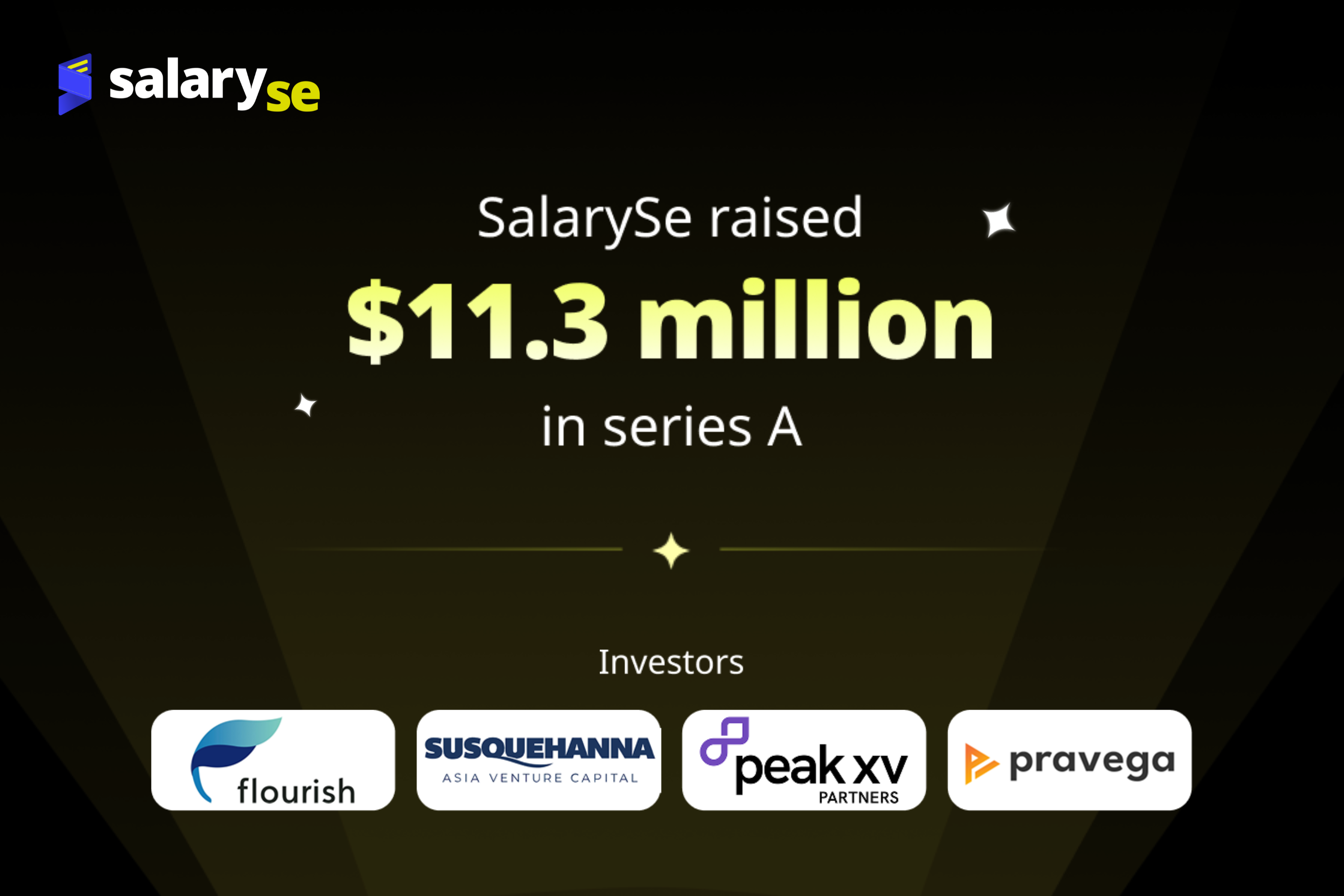
SalarySe raises $11.3M to redefine credit access for India’s workforce. Led by Flourish Ventures and SIG Venture Capital, with support from Peak XV Partners and Pravega Ventures, the funding will fuel AI-led innovation, enterprise expansion, and smarter financial solutions for salaried professionals.
Compare salary advance apps in India: loan amounts, interest rates, approval times, RBI-regulated options, and eligibility criteria for salaried employees.
Compare instant salary loans online: funding in 15 minutes to 2 seconds, loan amounts ₹5,000, ₹1 lakh, approval requirements, and interest rates across…